AI infrastructure deserves a purpose-built stationary energy storage architecture — not an EV battery adapted for the grid.
For two decades, the industry adapted EV batteries for stationary storage. Different mission, different architecture — PAG built for the grid from the ground up.
Absolute Safety
Today’s challenge: Lithium-ion BESS needs complex protection systems and liquid cooling — coolant, pumps, piping, leak points.
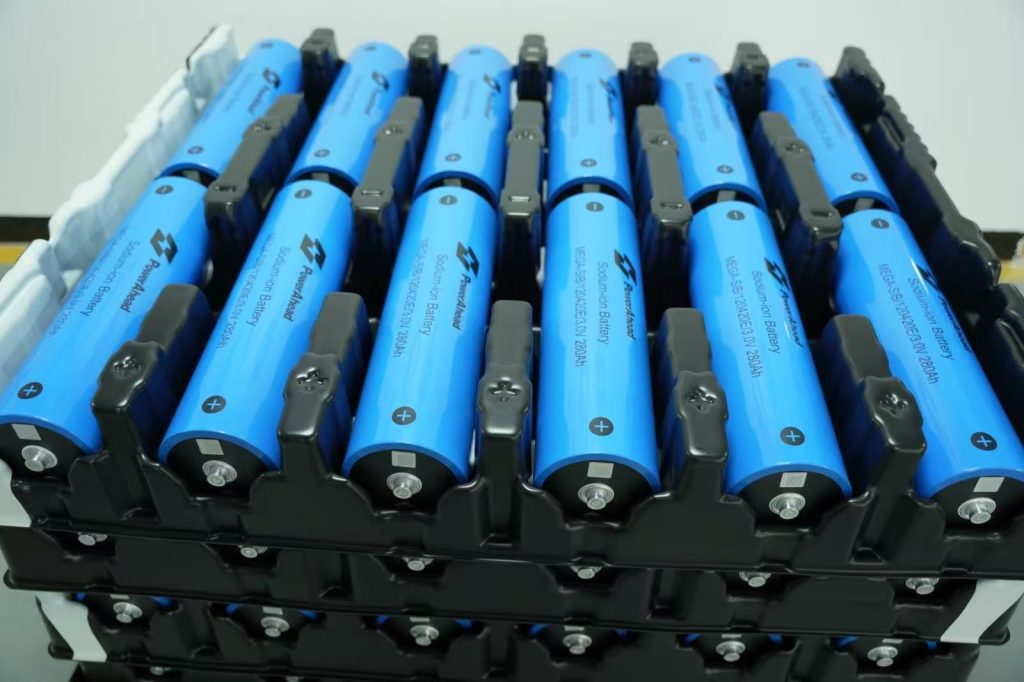
- Ultra-large cylindrical cells eliminate liquid cooling
- No coolant, no leakage, no pumps, no piping
- NFPP cathode does not release oxygen
- No thermal runaway propagation
- Fewer failure points than liquid-cooled systems
Safety is designed into the architecture — not added through protection systems.
30-Year Design Life
Today’s challenge: Most lithium BESS are designed for 10–15 years, often requiring replacement mid-project.
- HVAC air cooling built for a 30-year service life
- NFPP chemistry delivers 11,000+ cycles
- Every major component shares the same 30-year life
- No mid-life battery replacement
- Fewer lifecycle interventions across the asset’s life
Invest once. Operate for decades.
Lowest Total Cost of Ownership
Today’s challenge: Liquid cooling, replacement, and maintenance drive up lifetime operating costs.
- No liquid-cooling maintenance
- No battery replacement after 10–15 years
- Lower operating & maintenance costs
- Lower lifetime capital requirements
- Fewer line items across the project’s financial model
The lowest lifetime cost comes from eliminating replacement cycles.
BUILT FOR
PAG is not simply introducing another sodium-ion battery. PAG is defining the post-lithium architecture for stationary energy storage.
Safer. Longer. Lower Cost.